
Henry Ford, the storied inventor of the automobile, is noted as having said “If I had asked consumers what they wanted, they would have said a faster horse”
Essentially, the quotes means that consumers are not good at telling you what they want. Or more specifically, they are not good at imagining new products that they may want. Hence, this logically extends into a belief that consumer research lacks true value.
Over the years, when faced with confrontational insights or embattled over budgets, organizational leaders at all levels have used this quote to discredit the results or the process of consumer research. It is very likely, that you have already faced this quote in the past. If not, consider yourself lucky, but also, prepare now for most likely that day will come.
Let’s start with a simple thought exercise. You are a consumer are you not. Think about a product you use frequently. How would you improve it? This could be a new product altogether or new attributes for that product.
Unless you already had a new product queued up and ready to go in your mind, you most likely came up with a list of attribute improvements like better quality, lower price, or improved functionality, etc.
Now these improvements in themselves do not lead us further in the right direction on what to make for consumers. In fact, if I were to go to the CEO and say that consumers want higher quality, lower priced items, that work better/faster, she might change my name from Researchador to “Master of the Obvious”.
However, each one of these positive attributes takes root in a deeper frustration. Still holding that product in mind, now think about the problems and frustrations that you have with that current product.
Surprised how long you list is, or how quickly you came up with it? Most people come up with a longer list this time around. This is in line with previous research that shows that people are more likely to report a negative experience than a positive one. This phenomenon is often referred to as “negativity bias”, and it stems from the fact that our brains are wired to prioritize and process negative information more intensely than positive information, making negative experiences more salient and memorable.
So, we, and by that I mean consumers, find it easier to critique then to imagine. As Spock says in the 1982 classic STAR TREK II: THE WRATH OF KHAN, “As a matter of cosmic history, it has always been easier to destroy than to create.”
So, back to Ford. At some point in a consumer insights career, someone will reference the “Faster Horse” quote in order to try and dismantle your research if it goes against their instinct, anecdotal information or agenda. However, it is important to note that, if Henry Ford had a research team who probed consumers on the challenges and frustrations of the current experiences, then he would have learned that:
- More people were living in the city, making the care and shelter of a horse more difficult.
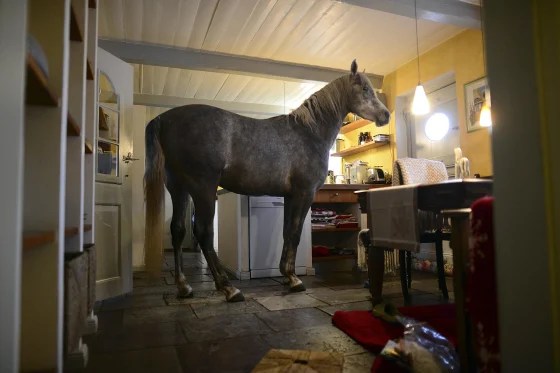
- People were tired of working with an animal that often did not want to do what you want it to
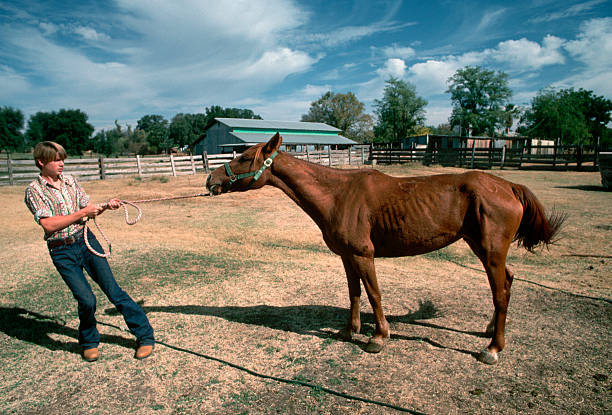
- People were frustrated with crashes and pain of trying to break in a new horse
I imagine that Ford observed all of this and was inspired to not make a faster horse, but rather a more powerful and more comfortable mode of transportation that would require less resources and space to manage.
This transformation from current experience feedback to new product inspiration is exactly what good consumer researchers provide. Consumer Researchers are really Imagination Architects, we help developers create and optimize ideas, while we also help consumers understand and imagine the developers vision in their own life.
So, if Henry Ford has asked consumers what they wanted, yes, they may have said a faster horse. However, if he had a skilled research team, that knew how to ask the right questions about frustrations, desires, goals, and motivations, and who knew how to listen to the responses within the context of the overarching business goal, then he would have heard something much more interesting and actionable.
Researchador

 RESEARCHADOR
Leave a comment